
Iowa summers are known for heat and humidity, but this year has brought especially uncomfortable conditions. During a recent stretch, heat index values across the state were expected to reach approximately 100 to 107 degrees, with nearly every Iowa county placed under an Extreme Heat Warning or Heat Advisory.
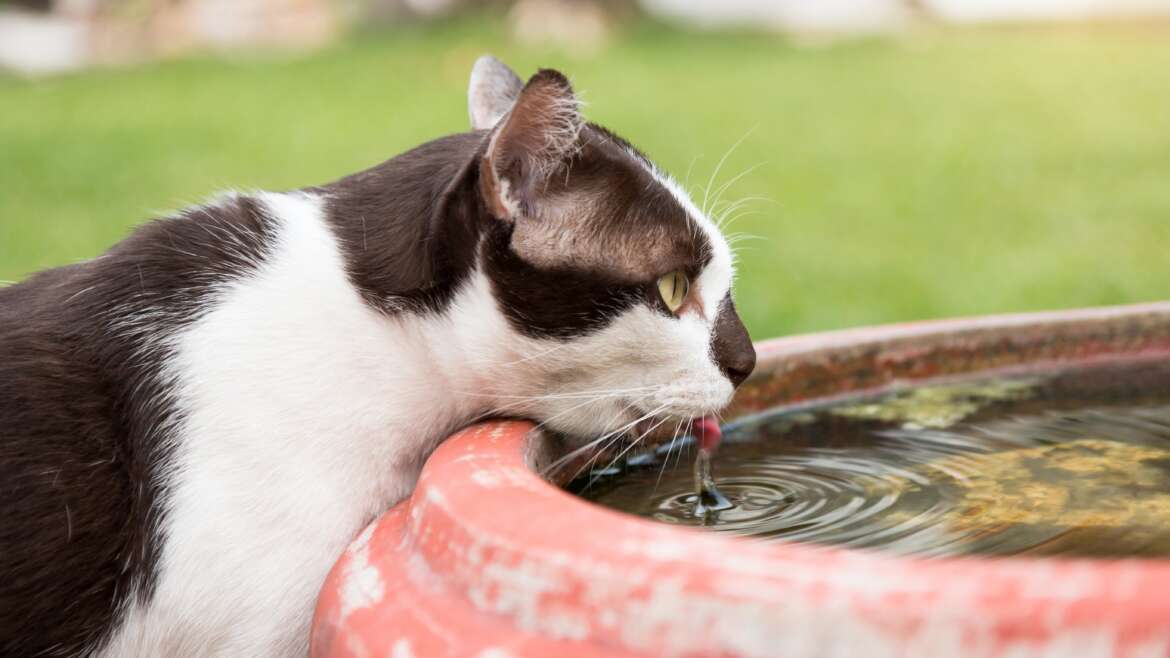
When temperatures climb, pets depend on us to keep them cool, comfortable and hydrated. Dogs and cats can become dehydrated quickly, and prolonged heat exposure may lead to heat exhaustion or life-threatening heatstroke.
Heat Safety for Every Pet
Whether your pet spends most of the day indoors or enjoys time outside, a few precautions can make a major difference:
• Keep fresh water available at all times. Place multiple water bowls around the home and check outdoor bowls frequently. Water left outside can quickly become warm, dirty or empty.
• Bring pets indoors during extreme heat. Shade alone may not provide enough protection when temperatures and humidity are high.
• Schedule outdoor activity carefully. Walk dogs during the early morning or evening rather than during the hottest part of the afternoon. Take frequent breaks and carry water for both you and your pet.
• Check pavement temperatures. Asphalt and concrete can burn sensitive paw pads and contribute to overheating. Keep daytime walks brief when surfaces are hot.
• Never leave a pet in a parked vehicle. Even a short stop can become dangerous as temperatures inside a vehicle rise rapidly.
Special Considerations for Dogs
Dogs primarily release heat through panting, making them especially vulnerable during strenuous activity. Short-nosed breeds, senior dogs, puppies, overweight pets and dogs with heart or respiratory conditions may overheat more easily.
Limit games such as running, fetching and hiking during hot weather. Dogs that live or work outdoors should always have access to clean water, deep shade and a well-ventilated shelter. Remember that doghouses can trap heat and may become dangerously warm.
Special Considerations for Cats
Cats may hide discomfort, so their heat-related symptoms can be less obvious. Encourage indoor cats to rest in cool, ventilated rooms and provide water in several quiet locations. Some cats prefer wide bowls or pet fountains.
Outdoor cats should be brought inside whenever possible during extreme heat. Before starting a vehicle, check underneath it and around the wheel wells, as outdoor cats may seek shade near parked cars.
Hydration-Friendly Treats
Safe, pet-friendly snacks can provide a little extra moisture, but they should never replace fresh water.
Try offering:
• Small pieces of seedless, rind-free watermelon
• Thin slices of cucumber
• Ice cubes made from water or pet-safe, low-sodium broth
• A small amount of refrigerated wet food
• Frozen treats prepared with ingredients approved by your veterinarian
Know the Warning Signs
Contact a veterinarian immediately if your pet develops:
• Excessive or unusually heavy panting
• Difficulty breathing
• Thick drool
• Bright red, pale or bluish gums
• Vomiting or diarrhea
• Weakness, confusion or stumbling
• Rapid heartbeat
• Collapse, seizures or loss of consciousness
These symptoms may indicate a heat-related emergency. Move your pet to a cool area, offer water without forcing them to drink and seek veterinary care promptly.
The Animal Health Center team is here to help pets and their families enjoy a safe, healthy summer. Please contact your nearest Animal Health Center location with any questions about hydration, outdoor activity or heat-related symptoms.